A surface and planning check
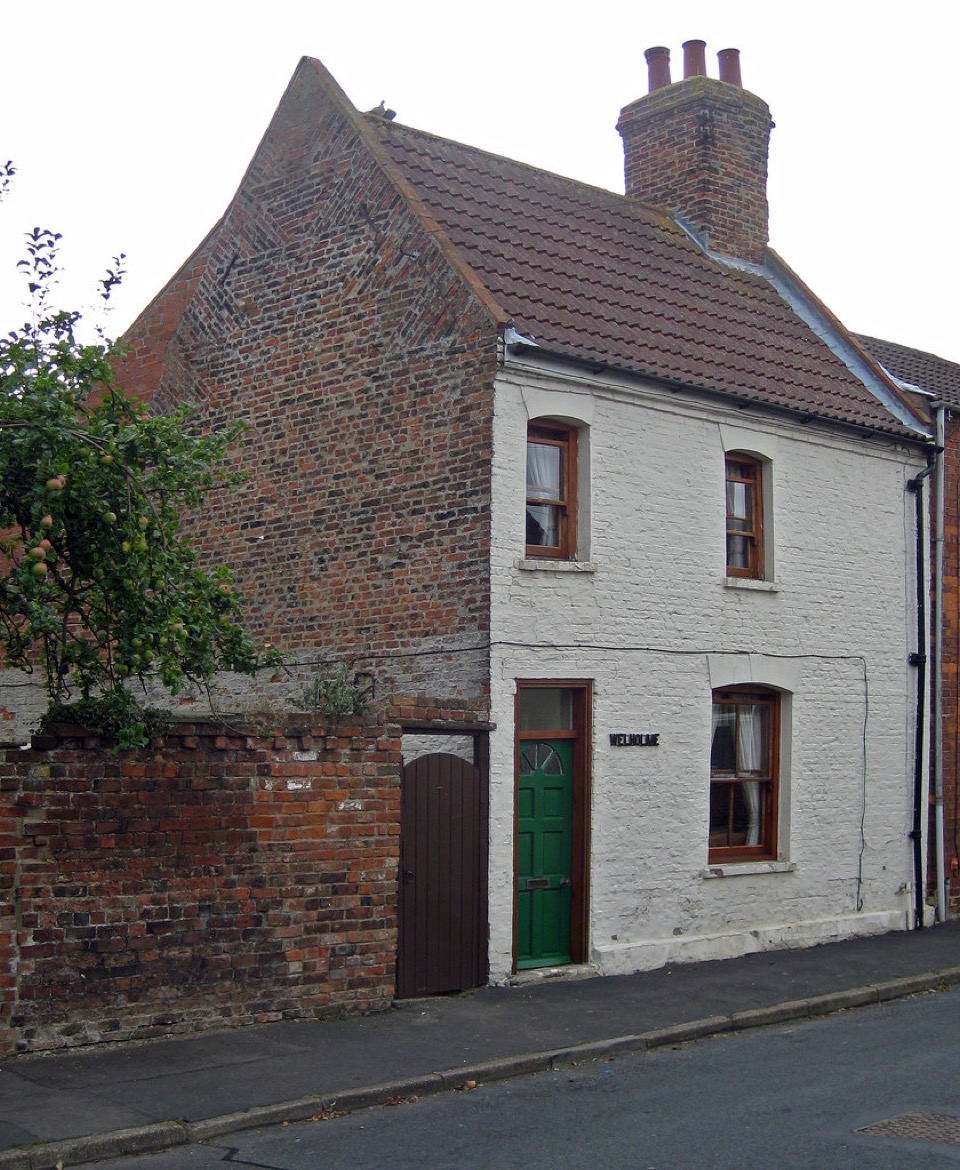
We look at what your wall or roof is made of and tell you whether the rules cover it.
Read this oneFrom Nottingham to Lincoln, we arrange the panel, the fitting and the paperwork. Our county guide says where a panel usually goes on the houses round here. Send a postcode and we'll do the rest of the checking.
Postcode, email, your name, and where on the house the panel would go. We come back by email with what's allowed there and what it'd make in a year.
We email you back. Nothing is passed on and we take no commission from anyone.
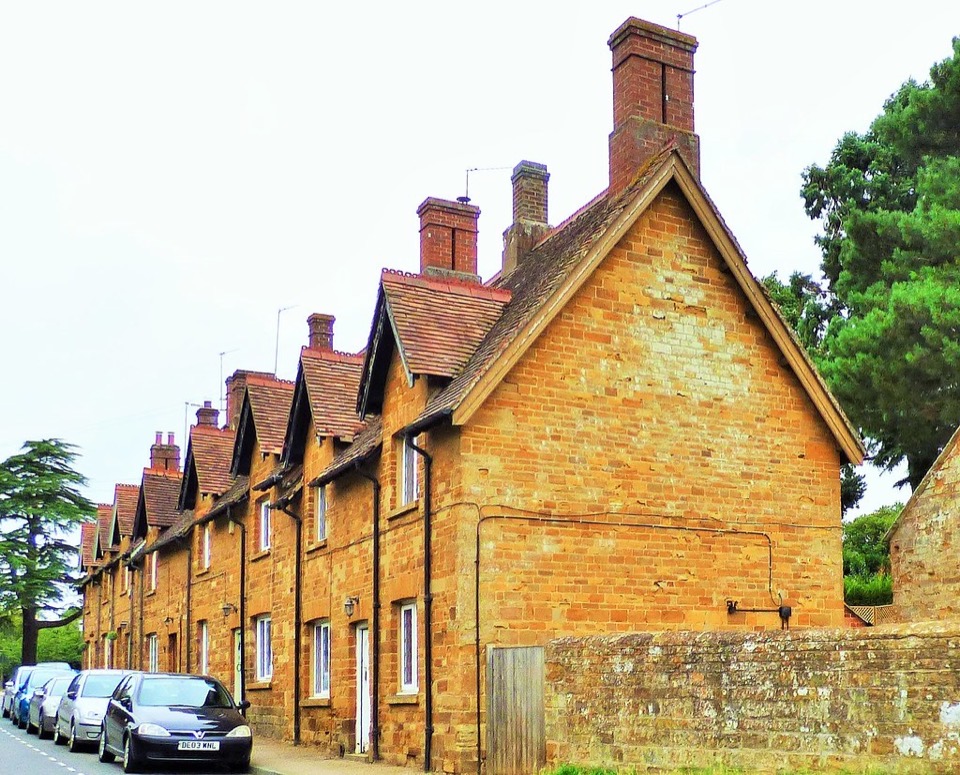
Ironstone cottages at Husbands Bosworth, Leicestershire. Ironstone runs up through Northamptonshire and Rutland into the south of Leicestershire, and it is one of five wall materials we see most.
We work across the whole region. The guide goes through each county in turn and says what its houses are usually built from.
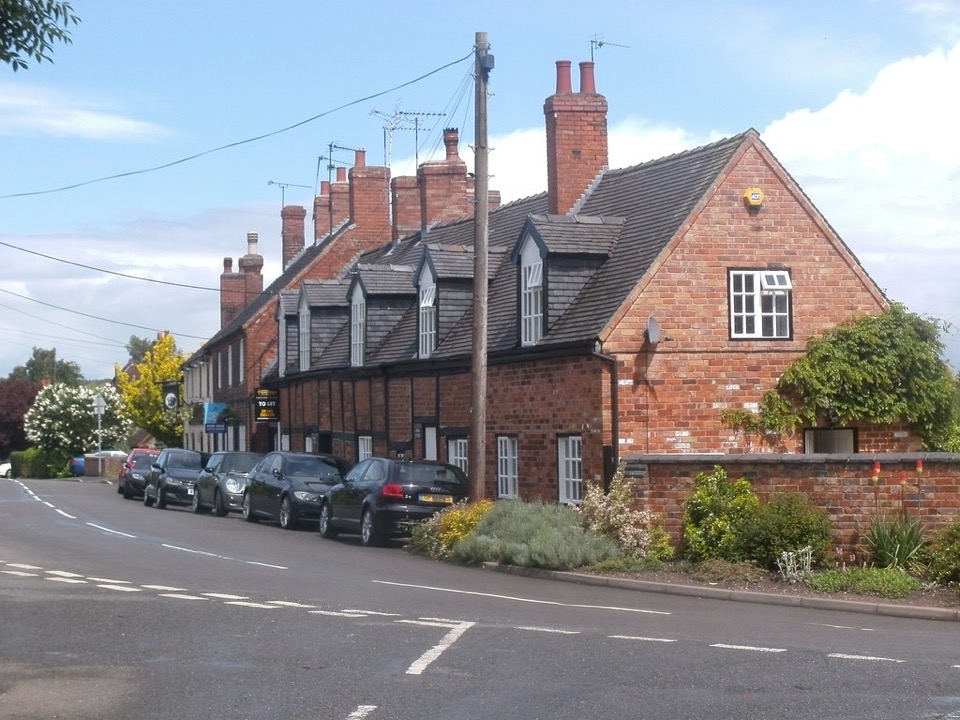
Red brick terraces in the city and brick estates around it. Most homes here have a brick wall or a tiled pitch that will take a fixing.
Limestone and gritstone in the dales, brick in the towns. Stone takes a fixing well, but a lot of the county sits inside a conservation area.
Brick terraces in Leicester, and ironstone villages towards the south of the county where the ironstone belt begins.
Limestone in the west of the county, brick and pantile across the rest. Gardens here are often long, and a frame on open ground is the easiest option to get right.
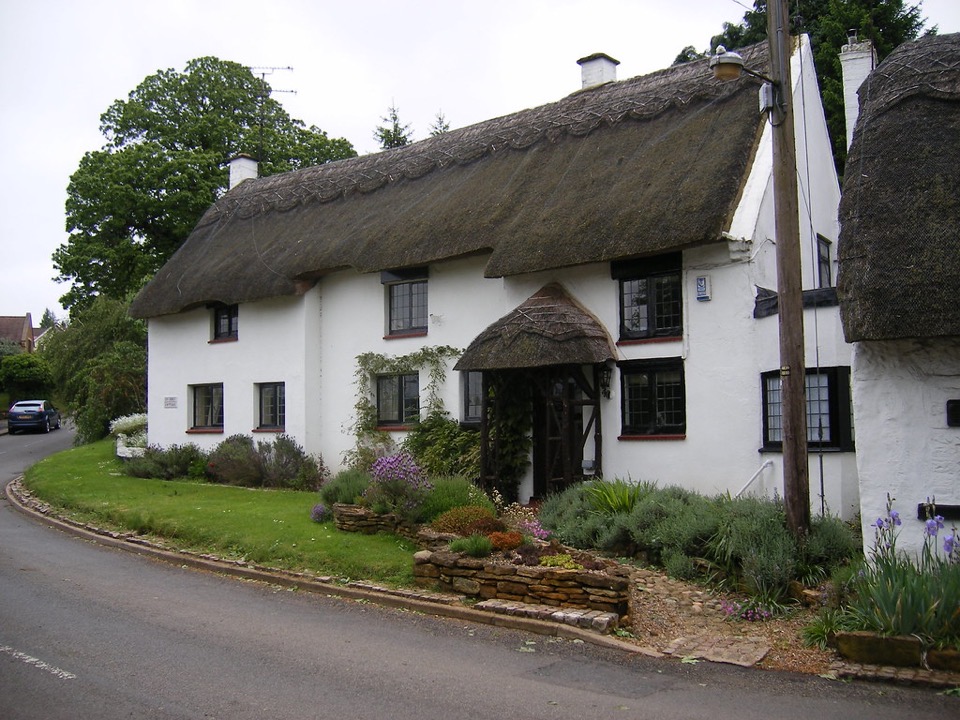
Ironstone villages, and a good deal of thatch. Thatch and timber both need looking at before anything is fixed to them.
Ironstone and limestone cottages. Many are listed or sit in a conservation area, so the surface check matters more here than almost anywhere in the region.
The planning rules changed on 27 August 2026 and the new version names plug-in solar directly.
27 August 2026 brought a new version of the permitted development right that covers solar equipment. Under it, a plug-in panel fixed to a wooden wall, to a balcony or to timber cladding is not covered. That exclusion is written into the guidance for houses and then repeated for blocks of flats.
There is a transition until 27 August 2027. Up to that date you may work to the older wording or to the new one.
A home outside the right needs planning permission instead. The government's own assessment expects the fee and the paperwork to weigh heavily against what a panel costs. That is why the surface comes first in our order of work.
Source: Planning Portal, solar equipment on a house or a block of flats. Read 13 September 2026.
Three jobs, and we work through them in that order. This is not a shop, so you will not find a product range or prices on these pages.
We look at what your wall or roof is made of and tell you whether the rules cover it.
Read this one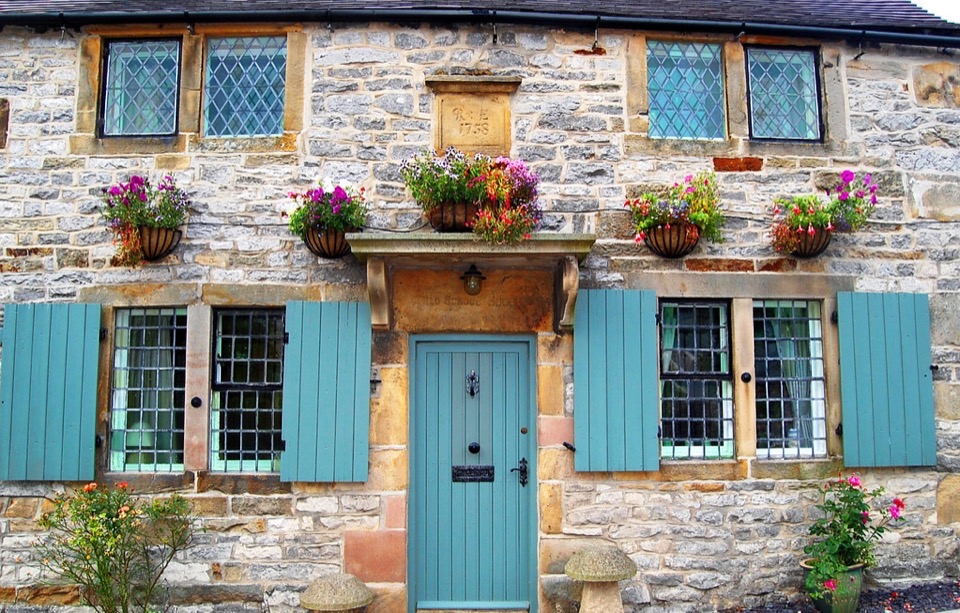
You can plug the device in yourself. The socket and the circuit behind it are an electrician's job.
Read this one
A short online form asking for your name, your email and the address. We sit with you while it goes.
Read this oneFour places you could put one 800 watt device at the same address in Nottingham, and what each one would make in a year.
A frame on open ground comes within about one per cent of the roof pitch. That matters here, because a frame in the garden is also the option the new balcony rule leaves alone.
Generation modelled with PVGIS for 0.8 kWp at 14 per cent system losses, unshaded, at one point in Nottingham. Queried 13 September 2026. A region is not a point, and shade from a tree or a chimney is not in these numbers.
You are asked to tell your network operator within 28 days of installing the device.
The whole of the East Midlands sits in one licence area, and the company named on that licence is National Grid Electricity Distribution (East Midlands) plc. Treat that as our working answer and check it on the operator's postcode tool before you send anything in.
Dialling 105 does the same job. It costs nothing, it answers from anywhere in England, Scotland and Wales, and it connects you to the company responsible for the cables feeding your street.
The form asks for your name, your email address and the address the device went in at. It takes a few minutes and we sit with you while you send it.
Most homes will not, although the right comes with conditions rather than working automatically. A plug-in panel leans on the same permitted development right as any small solar installation, and that right sets limits on projection, on conservation areas, on listed buildings and, since August, on wooden surfaces. A home that falls outside it needs an application. We work out which of the two describes your home before any money is spent.
One device for the whole home. The product specification itself permits a device on each final ring circuit, then hands the question over to the network rules, and those rules cap it at a single device per household. The cap sits in Engineering Recommendation G98 Issue 2 Amendment 1 and holds until that document is amended.
Not within the approved class. When the interim product specification was written, batteries were left outside it, whether sold on their own or built into the device. A bundle that arrives with storage attached therefore sits outside what August approved.
Yes, on the register. Before a device goes on sale the manufacturer has to type test it under G98, list it on the ENA Type Test Register and receive confirmation that it passed assessment. A product missing from that register has been assessed by nobody, however the sales page reads.
We will tell you what the rules allow at your house, and we will tell you when the answer is that a panel will not work there.
Send a postcode