A surface and planning check
Whether the rules cover your wall or roof.
Read this onePlug-in Solar East Midlands / County guide
Six counties, and what the typical houses in each mean for where a panel is likely to work.
Four things hold wherever you are in the region. A household may have one device. That device may send no more than 800 VA into the mains. Since 27 August 2026 it may not be fixed to a wooden wall, a balcony or timber cladding. And the network operator has to be told within 28 days of it going in.
What changes from county to county is what your home is built out of, how likely it is to be listed or in a conservation area, and how much open ground you have behind it. Those three things decide where a panel can go.
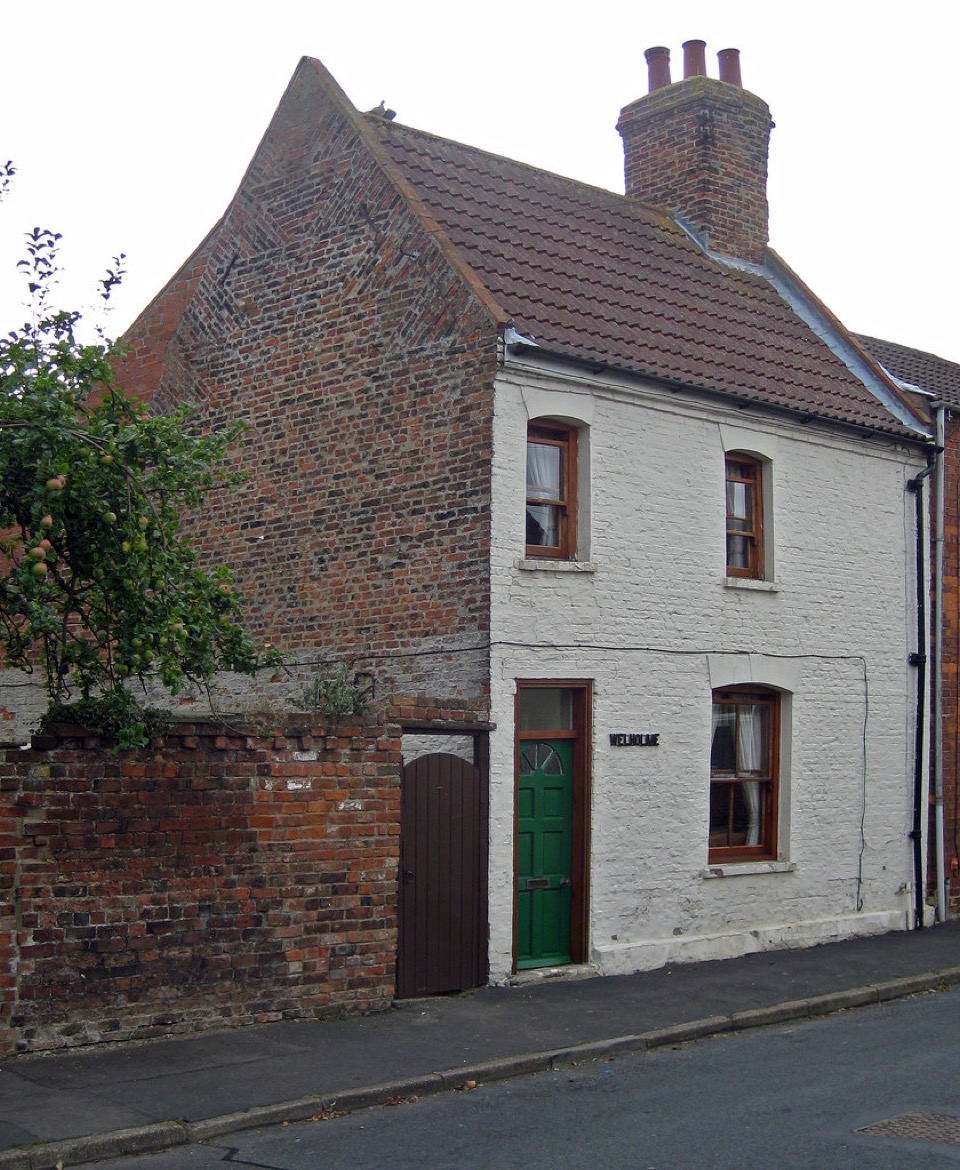
Most of the county's housing is red brick. Nottingham has long Victorian terraces and a lot of interwar and post-war brick estates around them, and the newer estates on the edge of the city are brick with a tiled pitch. Brick and clay tile both take a fixing, so for most homes here the question is which elevation faces the sun rather than what the wall is made of.
Two things to watch. A terrace with no back access makes getting a frame into the garden harder than it looks. And newer riverside housing in the city uses timber boarding on balconies and upper walls, which is the surface the new rules leave out.
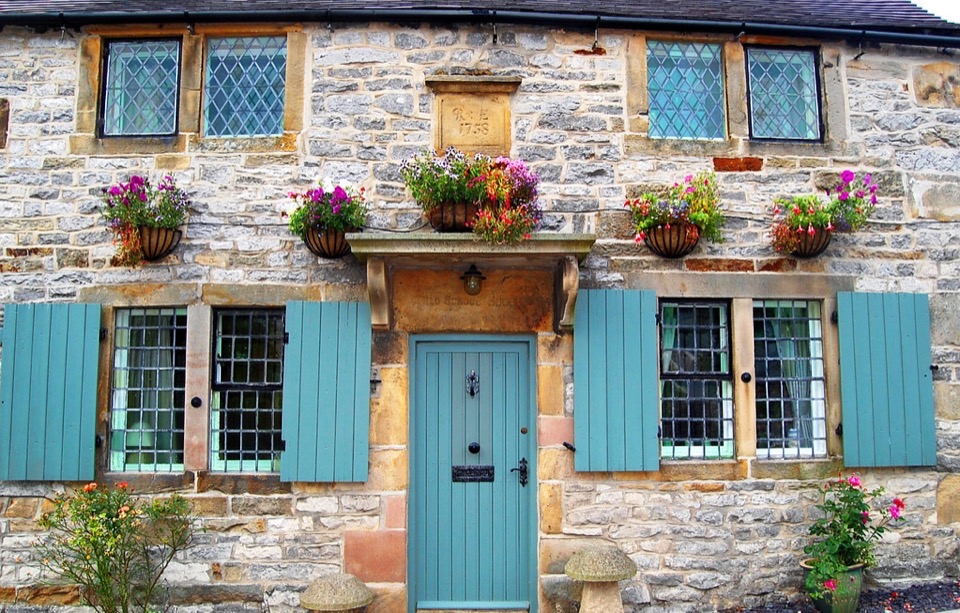
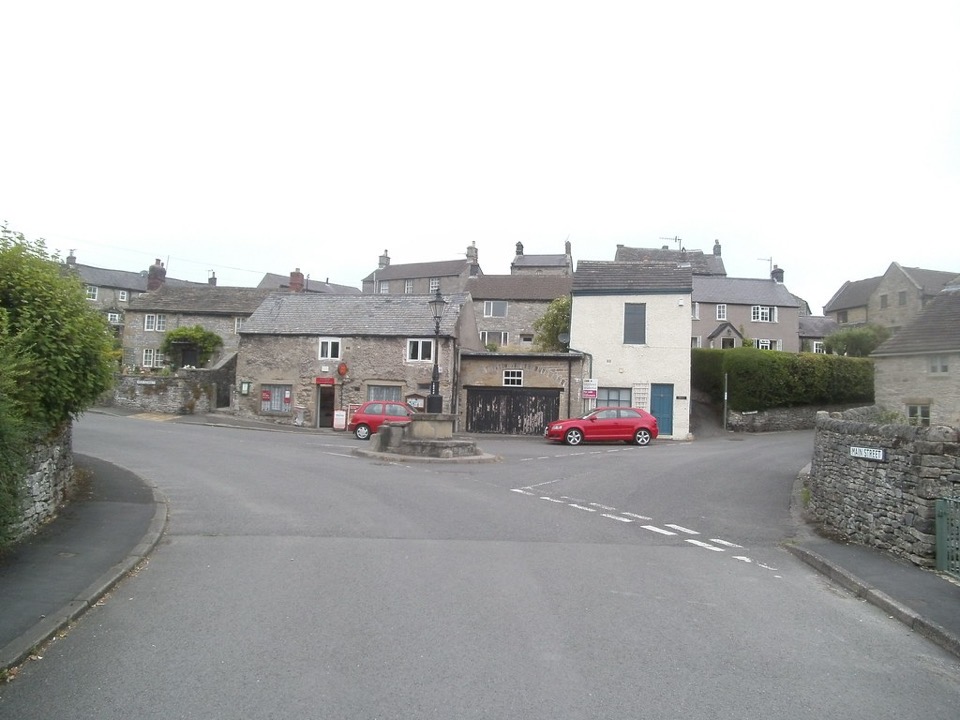
Two counties in one, as far as this goes. The towns along the Derwent and around Derby are brick. The dales are limestone and gritstone, often with a stone slate or blue slate roof. Stone holds a fixing well.
The catch in the dales is not the material, it is the designation. A large part of the county sits in a conservation area or inside the national park, and a good number of cottages are listed. In a conservation area you cannot put a panel on a wall that fronts a highway, and in the grounds of a listed building the right does not apply at all. A frame set back in the garden, out of sight of the road, is usually the better conversation to have.
Leicester is brick, and the terraces around the city centre are the classic pattern: red brick with blue brick banding, a small front garden and a long thin back garden. Those back gardens are the most useful thing about them, because a frame on open ground makes almost as much as a roof pitch.
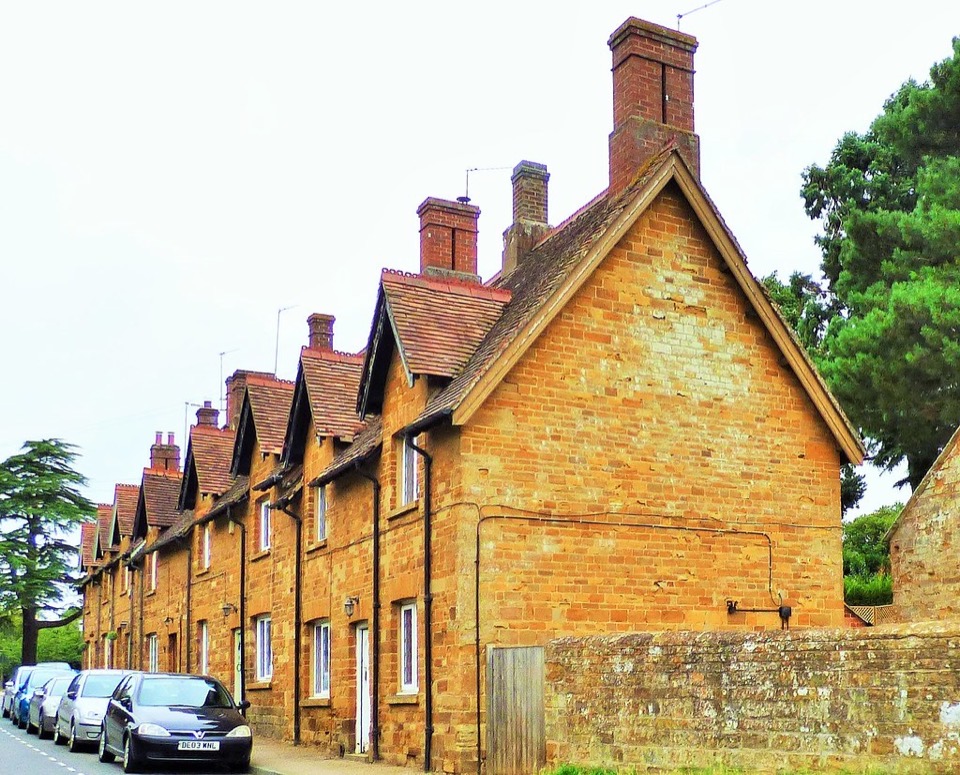
Go south and the ground changes colour. The ironstone belt runs up from Northamptonshire into south Leicestershire, and the villages there are built from warm orange ironstone with limestone dressings. It is a soft stone and older walls can be weathered, so the fixing is worth a proper look before anyone commits to a wall.
The west of the county, around Lincoln and down towards Stamford, is limestone. The rest is mostly brick with a pantile roof, and pantiles are worth naming because they are a curved tile and a mounting made for a flat tile does not sit properly on them.
Lincolnshire has the largest plots of anywhere in the region, and long gardens make this the easiest county in the East Midlands to get right. A frame on open ground at about 30 degrees, facing south, is within about one per cent of an ideal roof pitch, and it needs no work on the roof at all.
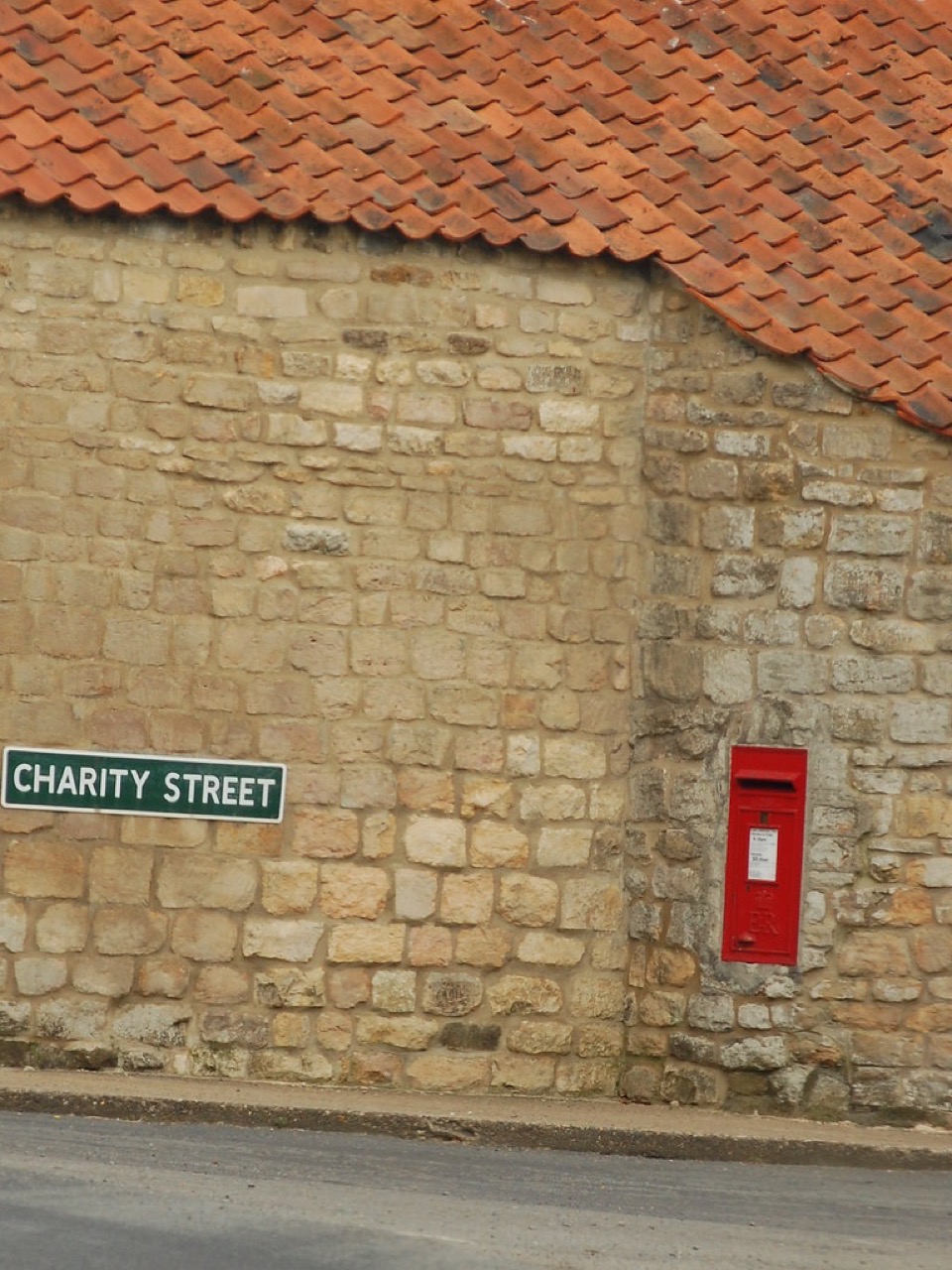
This is the heart of the ironstone belt. The villages are built from the orange brown stone quarried locally, often banded with pale limestone, and the towns are brick. There is also a good deal of thatch.
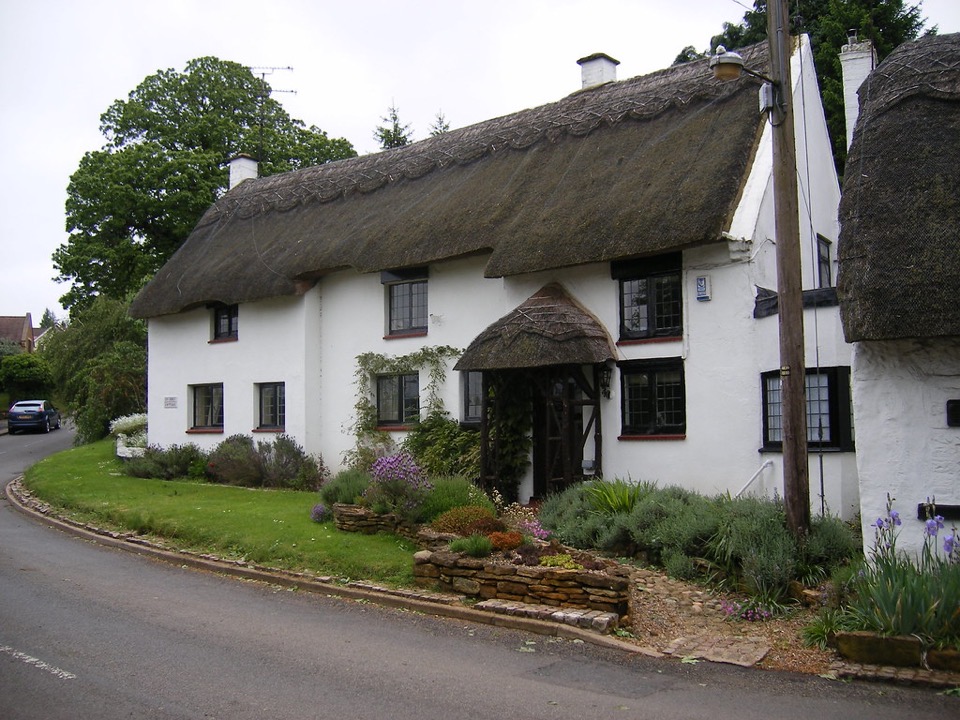
Thatch changes the answer. You are not fixing anything to a thatched roof, so on a thatched cottage the sensible options are a wall that is not the road frontage, or a frame in the garden. Thatched cottages are also more likely to be listed than their neighbours, which takes them outside the permitted development right entirely.
The smallest county in England and the one where the surface check earns its keep. Rutland is ironstone and limestone almost throughout, with Collyweston slate on some older roofs, and a high proportion of its homes are either listed or inside a conservation area.
That does not mean the answer is no. It means the answer is usually not the front wall. Where a home is listed, permission and listed building consent are both needed and the permitted development right is no help, so it is worth talking to the council before buying anything.
These are modelled figures for one 800 watt device at a point in Nottingham, at 14 per cent system losses with nothing shading it. They are the same four numbers for every county on this page, because the difference between the mountings is far larger than the difference between one end of the region and the other.
760kWh a year
A roof pitch. South facing, 35 degrees.
754kWh a year
A garden frame. On open ground at 30 degrees.
564kWh a year
A south wall. Upright, facing south.
Turn that wall to face east and it comes to about 391 kWh a year, roughly half of the pitch. The figure a panel generates is also not the figure you save. Saving tracks how much electricity the house is drawing while the panel is working, and with batteries outside the approved class the surplus cannot be kept for later.
Generation modelled with PVGIS for 0.8 kWp at 14 per cent system losses, unshaded, at one point in Nottingham. Queried 13 September 2026.
A postcode and the name of the material is enough for us to start.
Send a postcodeGive us the postcode and we'll go through it.
A postcode, plus the material your wall or roof is built from, is all we need to make a start. Back comes the rule that decides it at your address, with a yearly figure for the mounting you had in mind.
Postcode, email, your name, and where on the house the panel would go. We come back by email with what's allowed there and what it'd make in a year.
We email you back. Nothing is passed on and we take no commission from anyone.